A Guide To Choosing The Ideal Fume Hood For Your Lab
A Guide To Choosing The Ideal Fume Hood For Your Lab
Chemical exposure, vapor release, and airflow control shape daily laboratory safety and productivity decisions. Understanding how to choose a fume hood starts with recognizing how work processes, equipment, and room conditions interact.
Selecting a fume hood that aligns with lab tasks reduces exposure risks while supporting consistent workflows. From research benches to industrial testing spaces, fume hood selection influences air balance, energy use, and long term adaptability.
Labs that evaluate hood design early gain better alignment between containment performance and overall lab function.
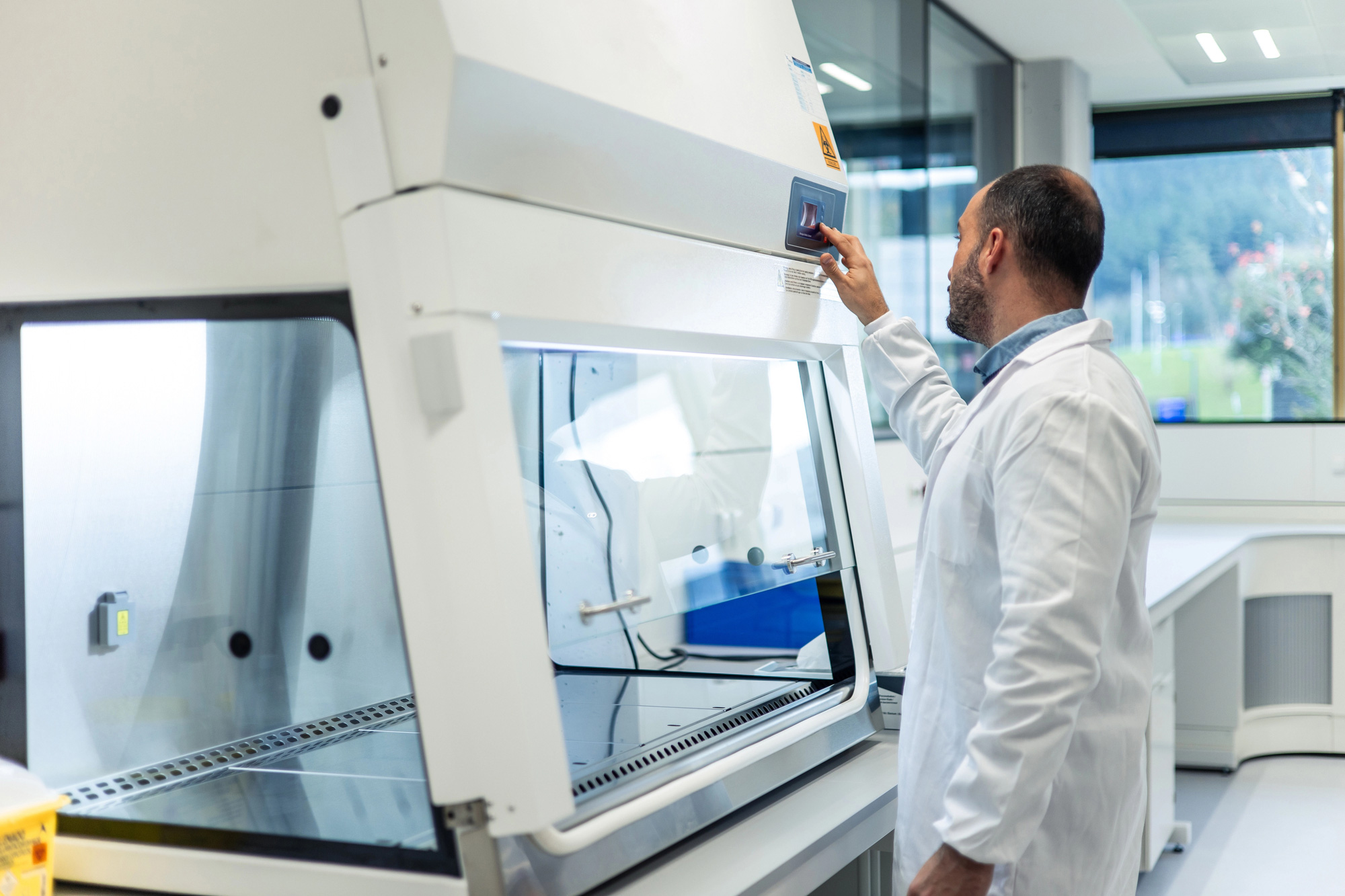
How Fume Hood Selection Impacts Lab Operations
A fume hood functions as more than a containment device. It directly influences airflow patterns, energy consumption, equipment placement, and technician comfort.
Selecting a fume hood that fits lab processes helps maintain stable airflow without unnecessary disruption. Poor alignment between hood type and application often leads to inefficiencies or safety concerns.
Decision makers benefit from understanding how hood design integrates with cabinetry, countertops, and ventilation infrastructure across the laboratory environment.
Understanding Your Laboratory Application
Each lab handles materials with different vapor pressures, toxicity levels, and handling procedures. Fume hood selection begins by evaluating chemicals, solvents, and reactions used inside the workspace.
Evaporation rates vary based on chemical properties and temperature. Faster evaporation places greater demand on airflow and containment performance.
Heating processes, open flames, and exothermic reactions further influence hood requirements. Accurate evaluation of these factors supports informed containment planning.
Considering Equipment and Workspace Needs
Fume hoods often house balances, reactors, glassware, or specialized instruments. Equipment size and heat output influence hood dimensions and airflow demand.
Benchtop hoods accommodate smaller apparatus, while floor-mounted or walk-in hoods allow space for large equipment and drum handling. Workspace clearance allows safe operation and improves accessibility.
Depth also matters. Technicians should work several inches behind the sash to maintain effective containment and stable airflow during use.
Ducted and Ductless Fume Hood Differences
Ducted fume hoods exhaust contaminated air through building ventilation systems. This design suits labs handling higher volumes of hazardous vapors.
Ductless fume hoods filter air through carbon or particulate media before recirculation into the room. These systems suit limited applications without access to exhaust infrastructure.
Chemical compatibility guides this decision. Certain acids and solvents require exhaust rather than filtration to maintain safe working conditions.
Ventilation Control Systems and Energy Use
Ducted fume hoods operate using constant air volume or variable air volume control strategies. Each approach affects airflow consistency and operating costs.
Constant air volume systems move the same airflow regardless of sash position. This approach suits predictable workloads with stable ventilation demand.
Variable air volume systems adjust airflow as sash height changes. Reduced airflow during closed positions lowers energy consumption and operational strain.
Evaluating Installation and Operating Considerations
Installation planning affects both upfront investment and long term usability. Ducted hoods require coordination with HVAC systems, ductwork, and exhaust fans.
Ductless systems reduce infrastructure requirements but introduce filter maintenance responsibilities. Filter replacement frequency depends on chemical use and exposure levels.
Operating costs scale with airflow volume and usage patterns. Energy efficient control strategies help manage long term costs without compromising performance.
Material Selection and Construction Quality
Fume hood construction materials must resist chemical exposure, moisture, and physical wear. Common materials include coated steel, stainless steel, and polypropylene.
Material choice depends on chemical compatibility and cleaning protocols. Corrosion resistance extends service life and improves containment safety.
Hood interiors should allow easy cleaning and inspection. Smooth surfaces reduce residue buildup and simplify maintenance routines.
Integration with Lab Furniture Systems
Fume hoods do not operate independently within laboratory spaces. They integrate with cabinets, countertops, and utility services.
Pairing hoods with compatible casework improves workflow efficiency and supports organized storage. Under-hood cabinets must withstand chemical exposure and airflow patterns.
When combined with phenolic resin lab countertops, work surfaces resist moisture, chemicals, and repeated cleaning without degradation.
Safety Features That Improve Daily Use
Modern fume hoods include features that promote consistent operation and user awareness. Airflow monitors alert users to changes in containment performance.
Lighting improves visibility during procedures while maintaining proper enclosure design. Electrical outlets and service fixtures allow equipment operation within safe limits.
These features help technicians maintain focus on tasks while enabling safer interaction with hazardous materials.
Planning for Accessories and Utilities
Fume hood accessories influence usability and flexibility. Base cabinets, cup sinks, gas fixtures, and vacuum services accommodate varied laboratory processes.
Proper placement of utilities reduces clutter and improves movement around the hood. Planning these elements early helps avoid field modifications later.
Accessory selection should align with workflow patterns rather than generic layouts. This approach allows smoother daily operation.
Lab Layout and Clearance Considerations
Room dimensions and ceiling height affect fume hood selection. Taller hoods or walk-in models require sufficient clearance for installation and exhaust routing.
Clearance around the hood allows safe circulation and emergency access. Crowded layouts disrupt airflow and create safety challenges.
Early coordination between hood selection and lab layout improves overall space efficiency and functional balance.
Regulatory and Testing Expectations
Fume hoods must meet applicable performance and safety standards. Testing verifies face velocity, containment effectiveness, and operational consistency. Regular testing maintains compliance and identifies performance drift over time.
This process protects occupants and satisfies documentation requirements. Labs benefit from selecting hoods compatible with testing protocols used across their industry sector.
Why Thoughtful Fume Hood Selection Matters
Selecting a fume hood involves more than matching size or appearance. It requires alignment between chemical use, airflow control, energy goals, and workspace design.
Labs that approach selection methodically achieve safer environments and better long term outcomes. Integrated planning reduces retrofits and operational disruptions.
Understanding how to choose a fume hood leads to informed decisions that align with both current needs and future growth.
How PSA Laboratory Furniture Helps with Fume Hood Selection
At PSA Laboratory Furniture, we work directly with labs to guide fume hood selection based on real workflows and space conditions. We design and supply fume hoods, laboratory cabinets, and countertops with free consultation and design guidance.
Our competitive lead times and straightforward coordination help commercial, industrial, healthcare, and research labs move from planning to installation with clarity and confidence.