Why More Labs Are Switching To Phenolic Cabinets
Why More Labs Are Switching To Phenolic Cabinets
Laboratories face constant exposure to moisture, chemicals, heat, and repeated cleaning routines that quickly reveal weaknesses in traditional storage materials.
Phenolic cabinets and integrated lab countertop and cabinet systems answer these challenges through dense construction and chemical resistance. Built for demanding environments, phenolic cabinetry supports long service life without visual or structural decline.
Research facilities, healthcare labs, and industrial settings increasingly favor these systems for consistency and safety. As laboratory design evolves, material selection now plays a direct role in workflow efficiency, contamination control, and long term operational stability.
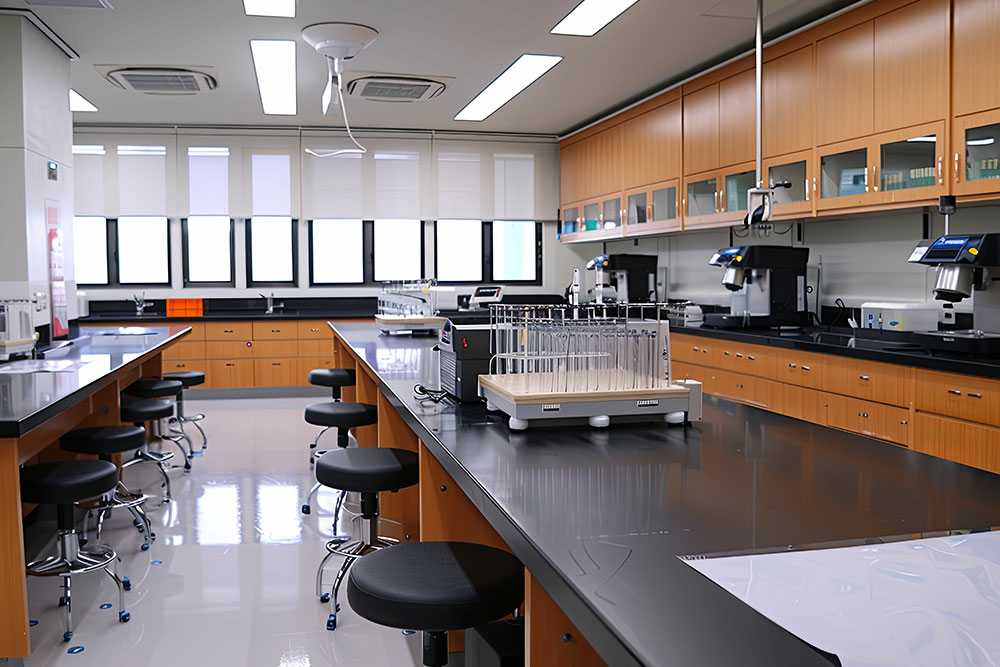
Why Material Choice Shapes Laboratory Performance
Laboratory furniture faces daily stress from chemical handling, heavy equipment loads, frequent cleaning, and environmental fluctuations. When cabinetry materials fail, laboratories experience workflow disruption, contamination risk, and premature replacement costs.
Phenolic cabinets resist common failure points found in wood or metal alternatives. Their nonporous structure limits moisture absorption, surface breakdown, and internal swelling under harsh conditions.
Material selection also affects long term planning. Facilities selecting durable cabinetry reduce downtime linked to repairs and replacements, which supports uninterrupted research and testing schedules.
What Phenolic Cabinets are Made From
Phenolic cabinets consist of layered kraft paper or fabric saturated with resin, then cured under high heat and pressure. This process forms a solid, dense panel with uniform strength throughout.
The finished surface resists penetration from liquids and airborne contaminants. Unlike coated materials, phenolic construction does not rely on surface finishes for performance.
This internal consistency supports repeated cleaning, chemical exposure, and physical impact without degradation. As a result, phenolic cabinets maintain both function and appearance across years of use.
Resistance to Chemicals and Moisture in Active Labs
Laboratories often handle acids, solvents, bases, and reagents that damage many cabinet materials over time. Phenolic cabinets resist corrosion and surface breakdown after repeated chemical contact.
Moisture exposure from washdowns, spills, or humidity causes wood products to swell or delaminate. Phenolic panels remain dimensionally stable under these same conditions.
This resistance supports safer storage of chemicals and equipment while reducing surface contamination risk. Cleaning routines remain effective without concern for material absorption or staining.
Durability for High Use Laboratory Environments
Daily laboratory activity places constant strain on cabinetry through opening, closing, loading, and incidental impacts. Phenolic cabinets withstand these stresses without denting, warping, or joint failure.
Their structural density supports heavy equipment and stored materials without sagging shelves or compromised frames. This strength supports stable storage across long operational cycles.
High traffic labs benefit from cabinetry that retains alignment and function. Consistent performance reduces maintenance interruptions and keeps workspaces organized and dependable.
Fire Resistance and Safety Considerations
Safety planning remains a priority across laboratory design decisions. Phenolic materials demonstrate higher resistance to heat compared to many conventional cabinet options.
While not fireproof, phenolic cabinets slow material degradation during heat exposure. This characteristic supports safer storage conditions near heat producing equipment or volatile substances.
Selecting cabinetry with fire resistant properties adds another layer of risk mitigation within laboratory environments focused on compliance and occupant protection.
Cleanability and Contamination Control
Nonporous phenolic surfaces simplify cleaning and sanitation routines. Liquids, residues, and particles remain on the surface rather than absorbing into the material.
Laboratory staff can clean cabinets quickly using standard protocols without damaging the structure. This supports contamination control in research, healthcare, and testing environments.
Consistent cleanability also supports regulatory expectations in controlled laboratory spaces. Surface integrity remains intact after repeated disinfectant exposure.
Customization that Supports Workflow Efficiency
Laboratory layouts vary based on process, equipment, and staffing needs. Phenolic cabinets support customization through varied configurations, door styles, drawer layouts, and storage solutions.
Adjustable shelving accommodates evolving equipment requirements. Storage design aligns with workflow patterns to reduce movement and handling time.
When paired with compatible phenolic resin lab countertops, cabinetry systems function as integrated work zones rather than isolated components.
Compatibility with Modern Lab Systems
Phenolic cabinets integrate well with contemporary laboratory infrastructure. They pair effectively with ventilation systems, utilities, and containment equipment.
Proper cabinet selection supports placement of fume hoods, sinks, and specialized workstations without material conflict. This compatibility simplifies coordination during design and installation phases.
Unified systems reduce retrofitting needs and support long term adaptability as laboratory operations evolve.
Sustainability and Long Term Value
Longevity contributes directly to sustainability in laboratory construction. Phenolic cabinets reduce replacement frequency, which lowers material waste and operational disruption.
Extended service life supports responsible resource use across commercial, industrial, and research facilities. Facilities benefit from stable infrastructure without frequent refurbishment cycles.
Selecting durable cabinetry aligns environmental responsibility with financial planning through reduced lifecycle costs.
Why Labs are Moving Away from Traditional Cabinet Materials
Metal cabinets face corrosion risks in humid or chemical heavy environments. Wood products struggle with moisture, cleaning chemicals, and surface wear.
Phenolic cabinets address these limitations through material composition rather than surface treatment. Performance remains consistent even after years of demanding use.
As laboratories modernize, decision makers increasingly prioritize materials that support reliability rather than short term cost savings.
Design Planning and Visualization Benefits
Effective laboratory projects begin with clear planning and visualization. Cabinetry selection influences utility routing, equipment placement, and circulation paths.
Early integration of phenolic cabinets into design layouts supports accurate planning for countertops, storage, and ventilation. This approach reduces field modifications during installation.
Visualization tools help stakeholders understand functionality before fabrication, which supports confident decision making.
Where Phenolic Cabinets Fit Best
Phenolic cabinets serve a wide range of laboratory environments, including healthcare diagnostics, industrial testing, pharmaceutical research, and educational facilities.
Spaces requiring frequent cleaning, chemical handling, or moisture exposure benefit most from this material choice. Their adaptability supports both new construction and renovation projects.
As laboratories grow more specialized, cabinetry must support precision rather than compromise it.
How PSA Laboratory Furniture Supports Phenolic Cabinet Projects
At PSA Laboratory Furniture, we design and supply phenolic cabinets, lab countertop and cabinet systems, and fume hoods with practical lab performance in mind. We work directly with end users across commercial, industrial, healthcare, and research environments.
Our team offers free consultation and design support, competitive lead times, and straightforward project coordination, helping labs transition to phenolic cabinetry with confidence and clarity.